

If you’re struggling with pesky dark spots on your skin that just won’t fade, don’t worry—you’re not alone. Those patches are known as hyperpigmentation, and it’s one of the top five most commonly diagnosed skin conditions for those with black or brown skin.
Hyperpigmentation often appears darker and lasts longer on darker skin tones than on lighter skin tones. However, just because it’s more prevalent doesn’t mean it’s unavoidable. There are plenty of steps people with darker skin tones can take to prevent hyperpigmentation from forming in the first place.
What Is Hyperpigmentation?
Hyperpigmentation is a common condition where patches of skin (that are typically brown, black, or grey) appear on the face. Although normal (and harmless), it’s common for people to be unsatisfied with the disruption to the evenness of their skin tone.
What Causes Hyperpigmentation?
Hyperpigmentation is caused by an overproduction of melanin from the melanocytes (the cells that produce melanin). Because darker skin tones have more active levels of melanocytes, these melanin-producing cells can go into overdrive, producing an excessive amount of pigmentation. It’s often caused by:
- Skin injury & post-inflammatory hyperpigmentation (PIH): After skin trauma or injury, such as a wound, cut, burn, rash, or acne breakout, your skin creates extra melanin, leading to dark spots. It’s one of the most common causes of hyperpigmentation, affecting around 65% of patients with dark skin.
- Sun exposure: Spending too much time in direct sunlight can cause your skin to produce extra melanin as a defense mechanism against UV rays, leading to sun spots, age spots, and freckles.
- Hormonal changes: Fluctuations in estrogen or progesterone (which are common during pregnancy, perimenopause, or birth control use) can trigger melasma. Melasma is a type of hyperpigmentation that causes dark, symmetrical patches.
- Medications: About 10% to 20% of cases of hyperpigmentation are caused by medications, including antibiotics. Some medications are more likely to trigger hyperpigmentation than others, such as oral contraceptives and blood pressure medicines.
- Medical conditions: Hyperpigmentation can appear due to an underlying medical condition that disrupts your hormone balance, such as Polycystic Ovary Syndrome (PCOS) or thyroid disorders.
How Long Does It Take for Hyperpigmentation to Fade?
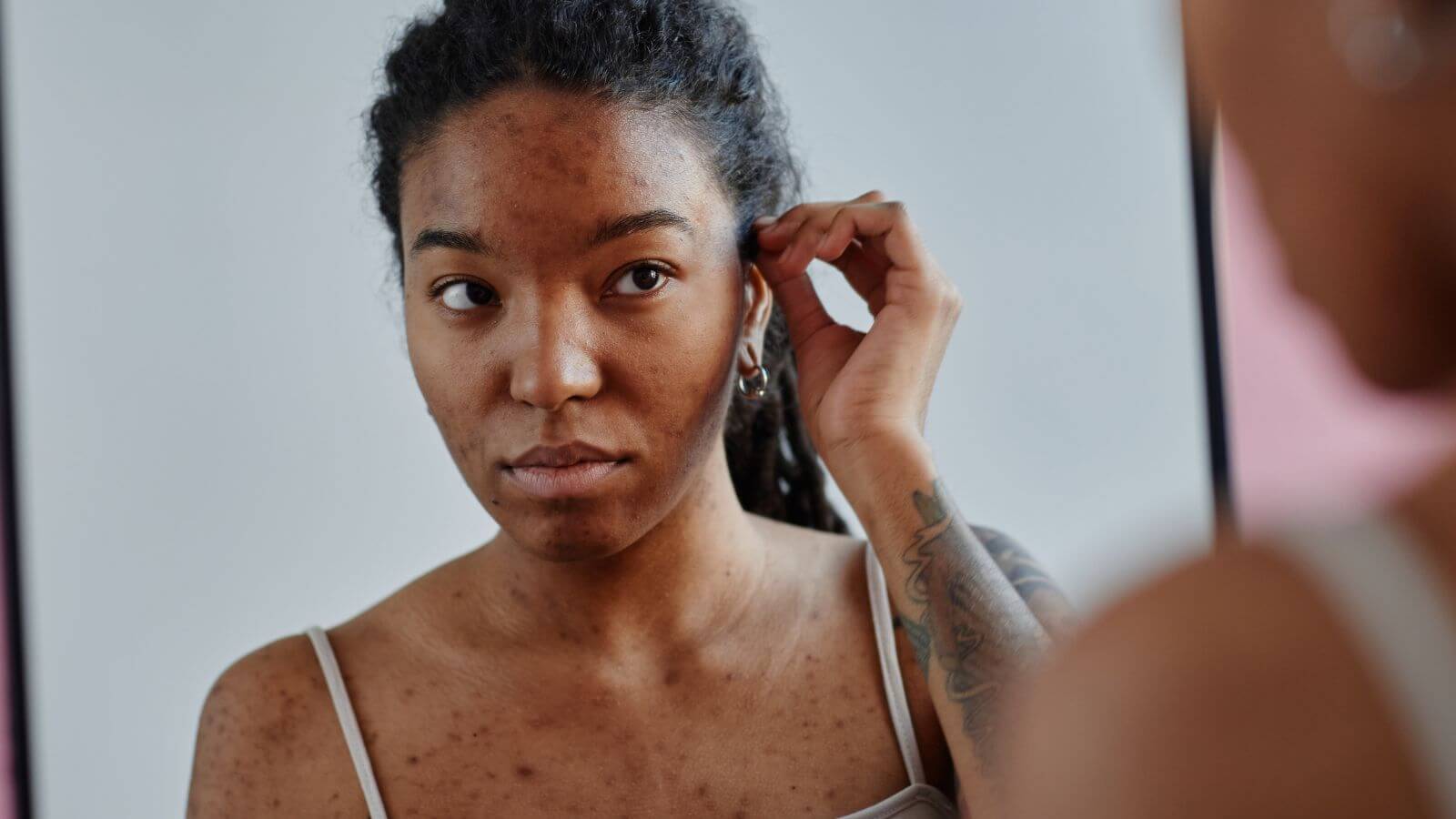
Unfortunately, hyperpigmentation doesn’t go away overnight, and fading takes time. Surface-level hyperpigmentation generally fades within 6 to 12 months, while deep-level hyperpigmentation can take years to fade—and may be at risk of becoming permanent. That’s why preventing hyperpigmentation before it forms is key.
7 Ways to Prevent Hyperpigmentation in Darker Skin Tones
1. Practice Daily Sun Protection
One of the easiest ways to prevent hyperpigmentation is to practice daily sun protection (even in the winter months, as UVA rays remain steady year-round). It’s recommended that you:
- Wear an SPF of 30 or higher (particularly one with iron oxide).
- Avoid being in direct sunlight between 10 am and 2 pm when the sun is strongest.
- Make an effort to wear wide-brimmed hats, sunglasses, and long sleeves when in direct sun for a prolonged period.
- Stay in the shade whenever possible.
It’s a common misconception that darker skin tones don’t need to worry about sun protection. While it’s true melanin can provide some minimal protection from the sun, it shouldn’t be your only line of defense. Black and brown skin tones are still at risk for sun damage, skin cancer, and premature aging.
2. Avoid Harsh Skincare Products
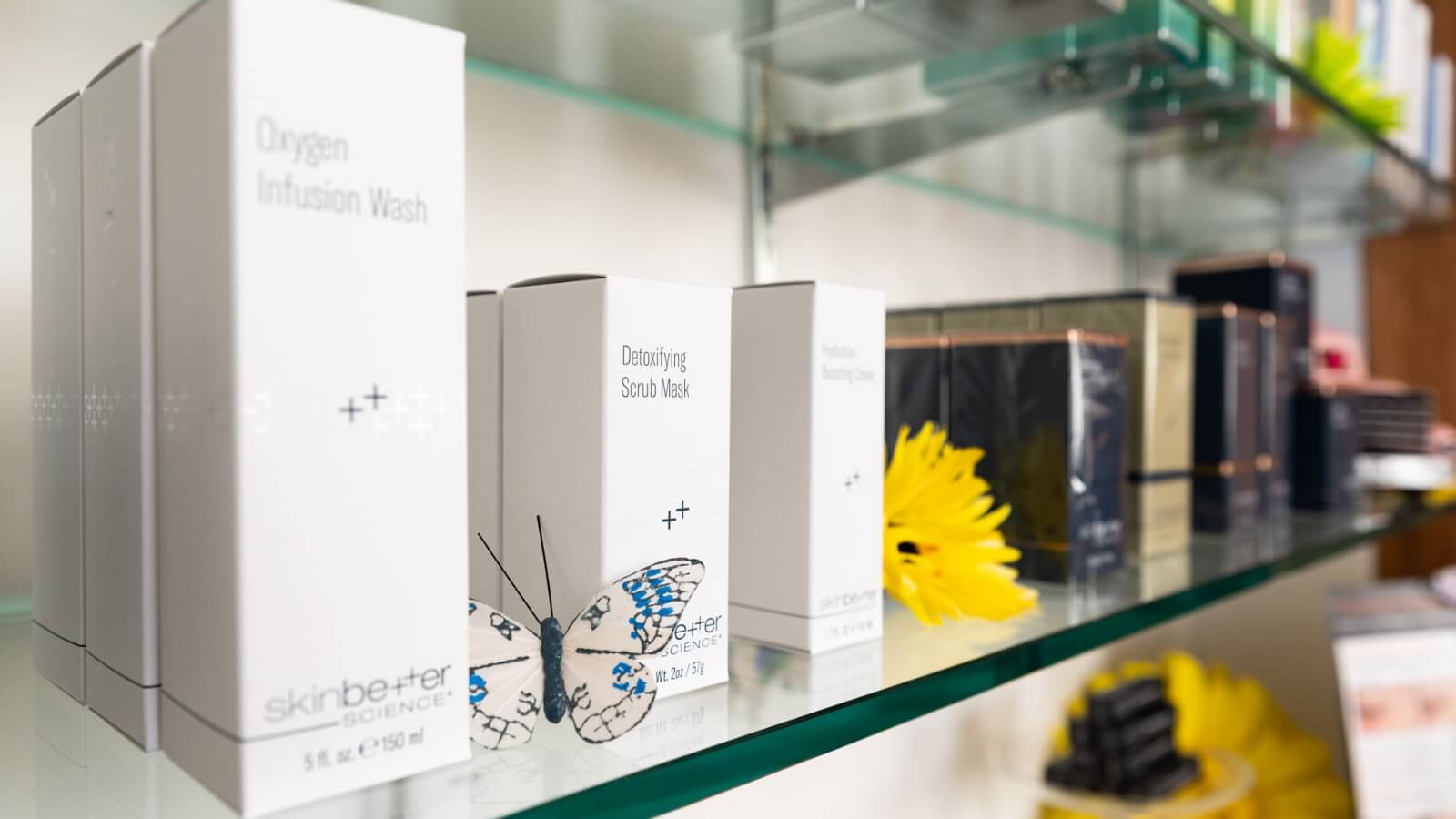
When creating a skincare routine, avoid harsh products, like pore strips (they pull at your delicate skin), cleansing wipes (which rely on alcohol and heavy preservatives), and high-sulfate face washes (they disrupt your skin’s natural lipids). You should also try to stay away from products that have unnecessary fragrances; they’re often irritating to the skin barrier.
The best skincare products are often medical-grade skincare products. Not only are medical-grade products backed by clinical research, but they’re formulated with high concentrations of active ingredients that accelerate cell turnover and fade hyperpigmentation.
3. Don’t Overexfoliate
Be gentle on your skin! Avoid aggressively scratching or rubbing your skin, especially when it’s inflamed, as doing so can increase melanin production in the lower layers of your skin. Abrasive scrubs (like the infamous St. Ives Apricot Scrub) and harsh brushes can cause micro-tears, leading to hyperpigmentation.
Active ingredients like retinoids or alpha hydroxy acids (AHAs) are a great way to gently exfoliate your skin due to their ability to help cell turnover—but don’t overuse them. If you’re a beginner, start 1 to 2 times a week before increasing your frequency.
4. Use Skin-Brightening Actives
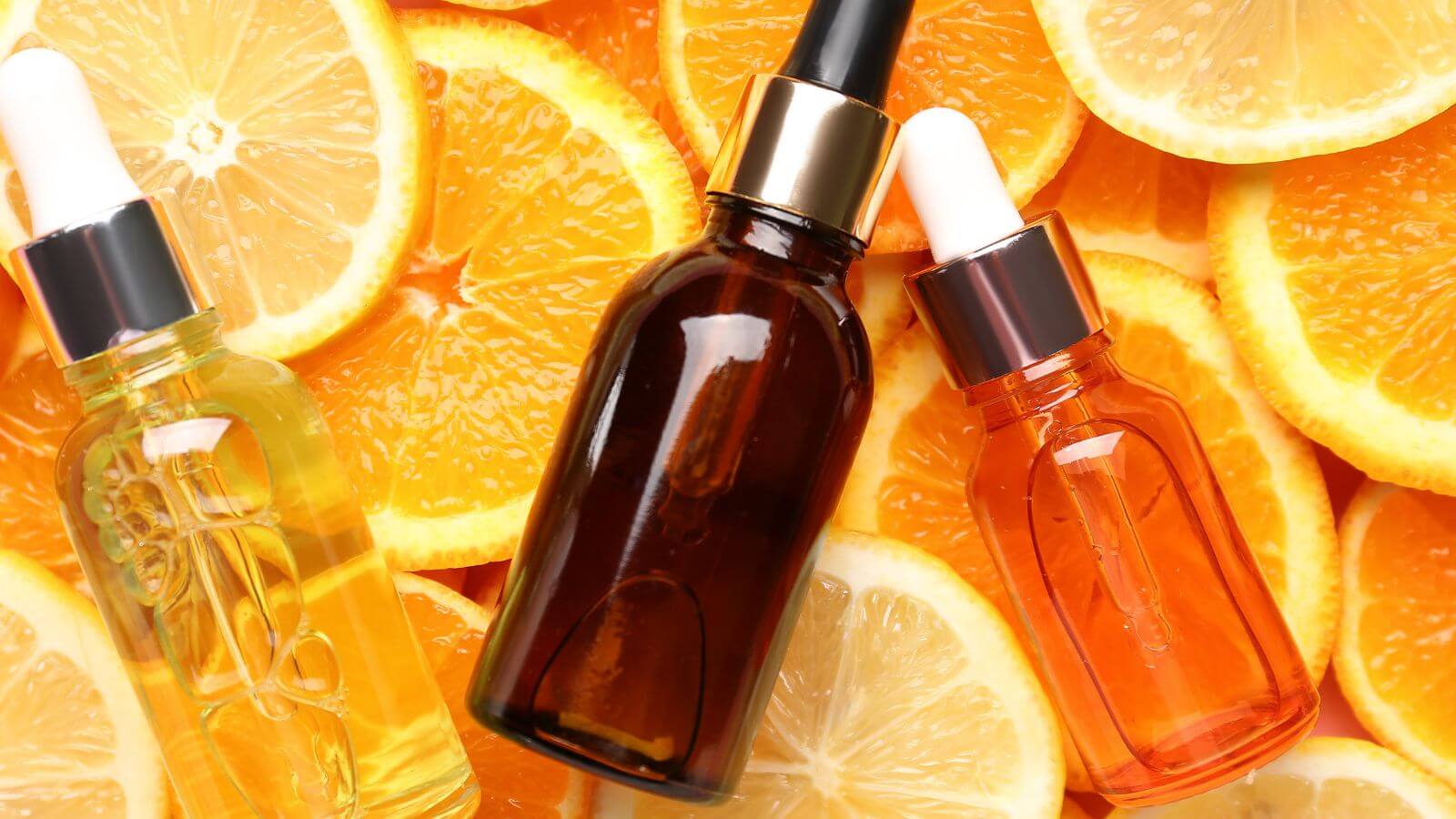
Skincare that contains ingredients like mequinol, azelaic acid, kojic acid, and niacinamide can actually slow the production of melanin, preventing hyperpigmentation from forming in the first place (while also lessening the appearance of any existing spots).
Vitamin C in particular has protective antioxidants that fight free radicals caused by UV radiation, making a serum or moisturizer that contains this ingredient a worthwhile addition to your skincare routine.
5. Treat (And Prevent) Inflammatory Conditions
Don’t ignore acne, eczema, razor bumps, or psoriasis—treat them early to prevent the inflammation from worsening into hyperpigmentation. It’s also important to stop yourself from scratching or picking at skin conditions while they’re healing, as doing so can increase the risk of stubborn marks forming.
6. Keep an Eye on Hormonal Triggers
As mentioned, hormones can play a large role in the appearance of hyperpigmentation. Although you can’t control your hormones completely, you can anticipate spikes—such as when changing birth control or the days before your period.
When you know a hormonal shift is coming, you can double down on preventative skincare. Since stress also plays a role, mostly by triggering breakouts, it may help to have a calming routine in place that reduces the likelihood of excessive irritation.
7. Schedule Medical-Grade Aesthetic Treatments
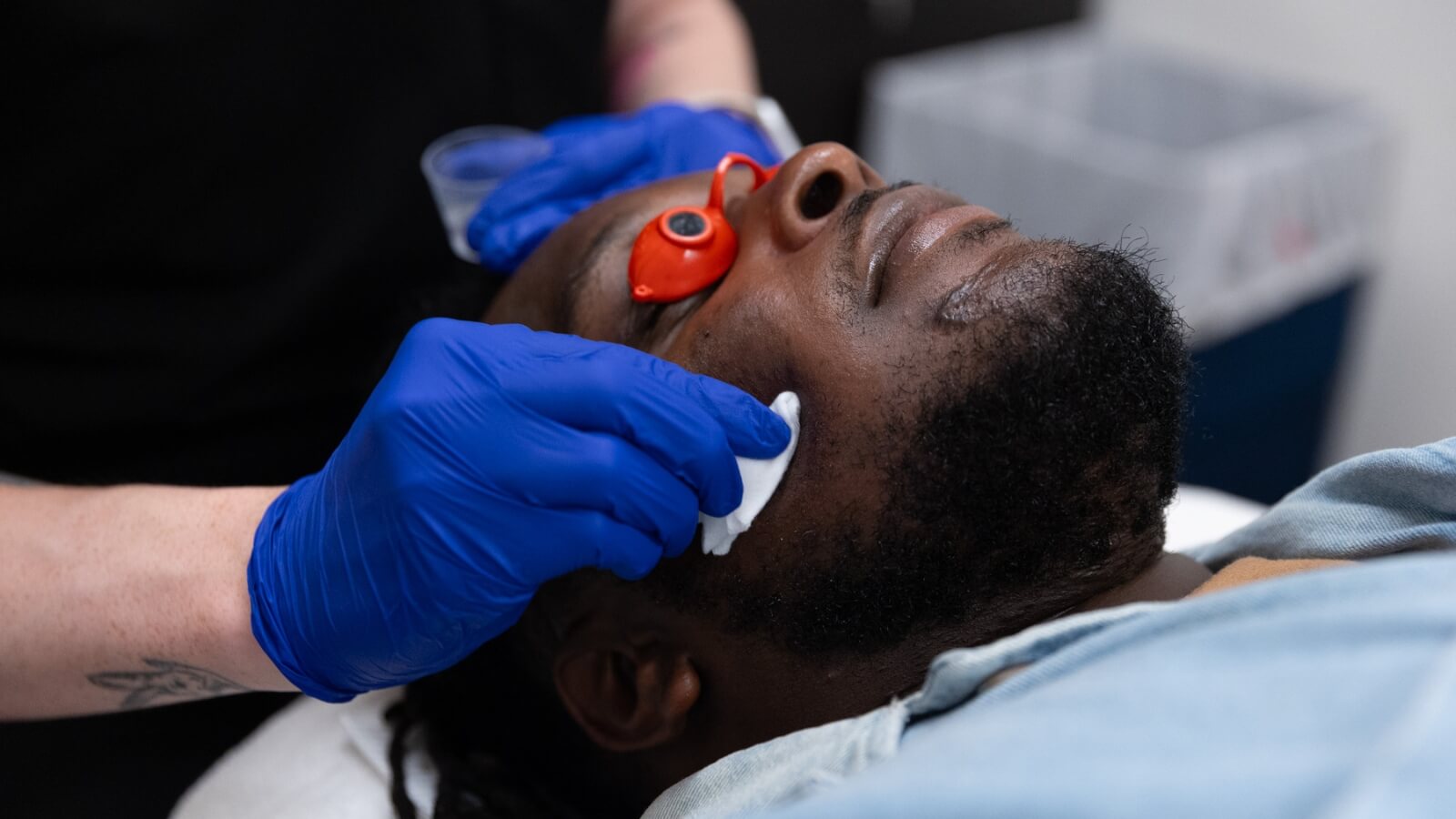
There are many medical-grade treatments you can get from a reputable med spa that can help prevent and reduce hyperpigmentation, such as:
- Chemical peels : They’re designed to remove superficial layers of skin to reveal the fresh, even skin that lies beneath. Some peels are even formulated with ingredients that calm overactive melanocytes, helping prevent the formation of hyperpigmentation.
- Microneedling : Also known as collagen induction therapy, microneedling uses thin needles to puncture the upper layers of the skin, stimulating the production of collagen and elastin, as well as breaking up melanin clusters. (And yes, it’s safe on darker skin tones!)
- Moxi laser : Moxi laser uses fractionated waves to heat the deeper layers of skin and kick-start your body’s natural healing process. This strengthens your skin barrier, making it harder for hyperpigmentation to appear.
Please note: It’s important to schedule these treatments at an accredited med spa (like AESTHETICS 360°) where they can be conducted by a nurse specialist or clinical aesthetician who has experience with patients of different skin tones. Failing to do so can cause more harm than good for your skin.
Need Help With Pesky Hyperpigmentation? Contact AESTHETICS 360°
At AESTHETICS 360°, our highly trained team has years of experience working with patients of all skin types and tones, and as a result, knows how to uniquely customize your treatment to help reduce the appearance of pesky hyperpigmentation.
Just give us a call or fill out our form to get started today. Let us give you a new way to feel. It’s time to experience the 360-degree difference!

