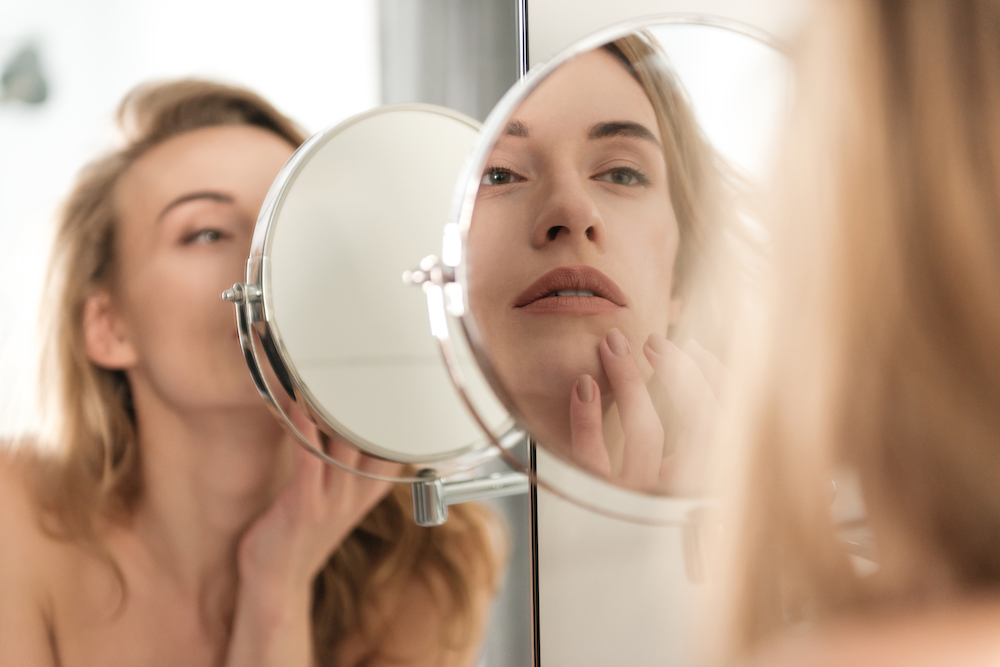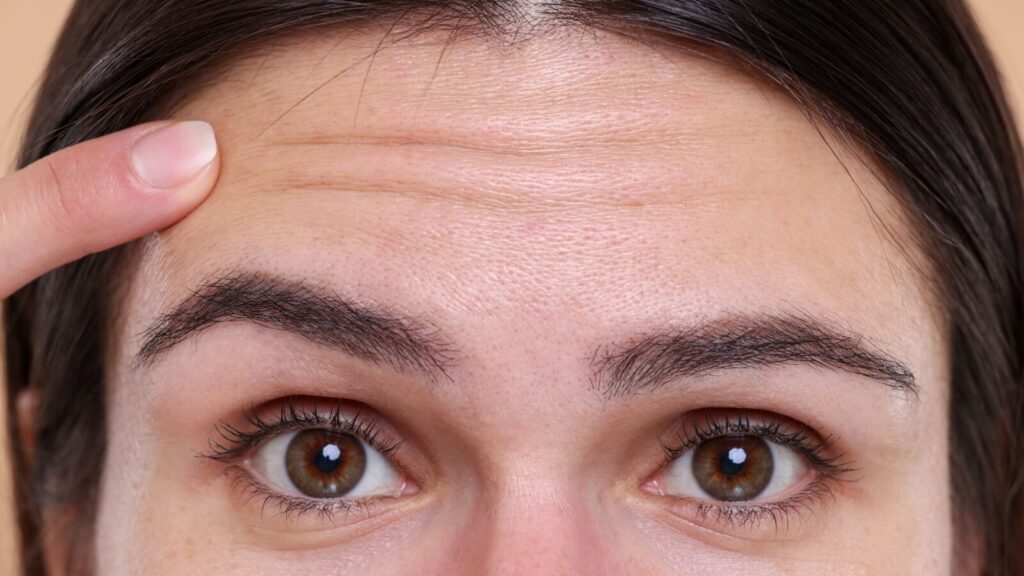
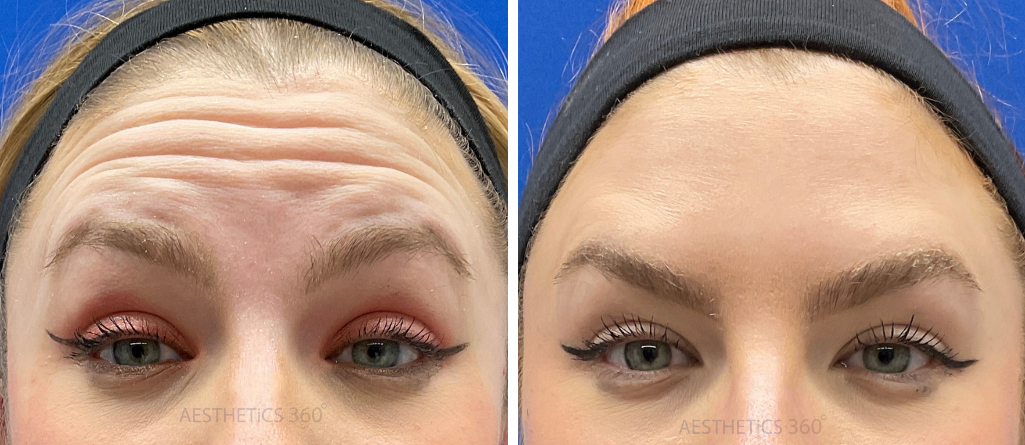
Botox is one of our most popular aesthetic treatments, and for a good reason! It relaxes the targeted facial muscles, softening and preventing wrinkles like crow’s feet, forehead lines, or frown lines. However, Botox is not magic (although it may seem like it) and only lasts a few months—with proper care.
Could your Botox treatment be at risk of prematurely fading, welcoming the return of those pesky fine lines and wrinkles? Read on to learn what factors determine how long your Botox lasts, and how you might be able to prolong the effects.
How Long Should Botox Last?
Botox is FDA-approved to last up to 4 months, although the exact duration depends on a wide variety of factors, such as:
- Metabolism: Faster metabolic rates cause your body to process and clear Botox more quickly.
- Muscle strength & activity: Botox that has been injected into stronger, highly active facial muscles (like the masseter) can more quickly overcome the blocked nerve signals. ( Men, in particular, have stronger facial muscles that need to be accounted for.)
- Injection technique: Strategic placement and precise dosing by an experienced injector can maximize Botox duration.
- Frequency: By getting consistent Botox treatments, the targeted facial muscles will basically be “trained” not to move.
- Lifestyle: Chronic stress, high-intensity workouts, a bad diet, smoking, and frequent heat exposure can all impact Botox duration.
Why is Botox Not Permanent?
Botox is a purified form of botulinum toxin type A, which is a neurotoxin. When injected, this neurotoxin blocks specific nerve signals that are responsible for “telling” our muscles to move. Because this neurotoxin is foreign to the body, the effects are temporary until your proteins gradually start to metabolize it.
During the 6-8 weeks after treatment (on average), communication pathways are gradually rebuilt, and you will notice that some of the muscle movement starts to reappear. Because Botox isn’t permanent, you’re able to adjust your aesthetic goals as your face changes over time, and it allows you to let the effects naturally fade away if you’re not happy with the way it looks.
How to Make Your Botox Last Longer
1. Follow Aftercare Instructions
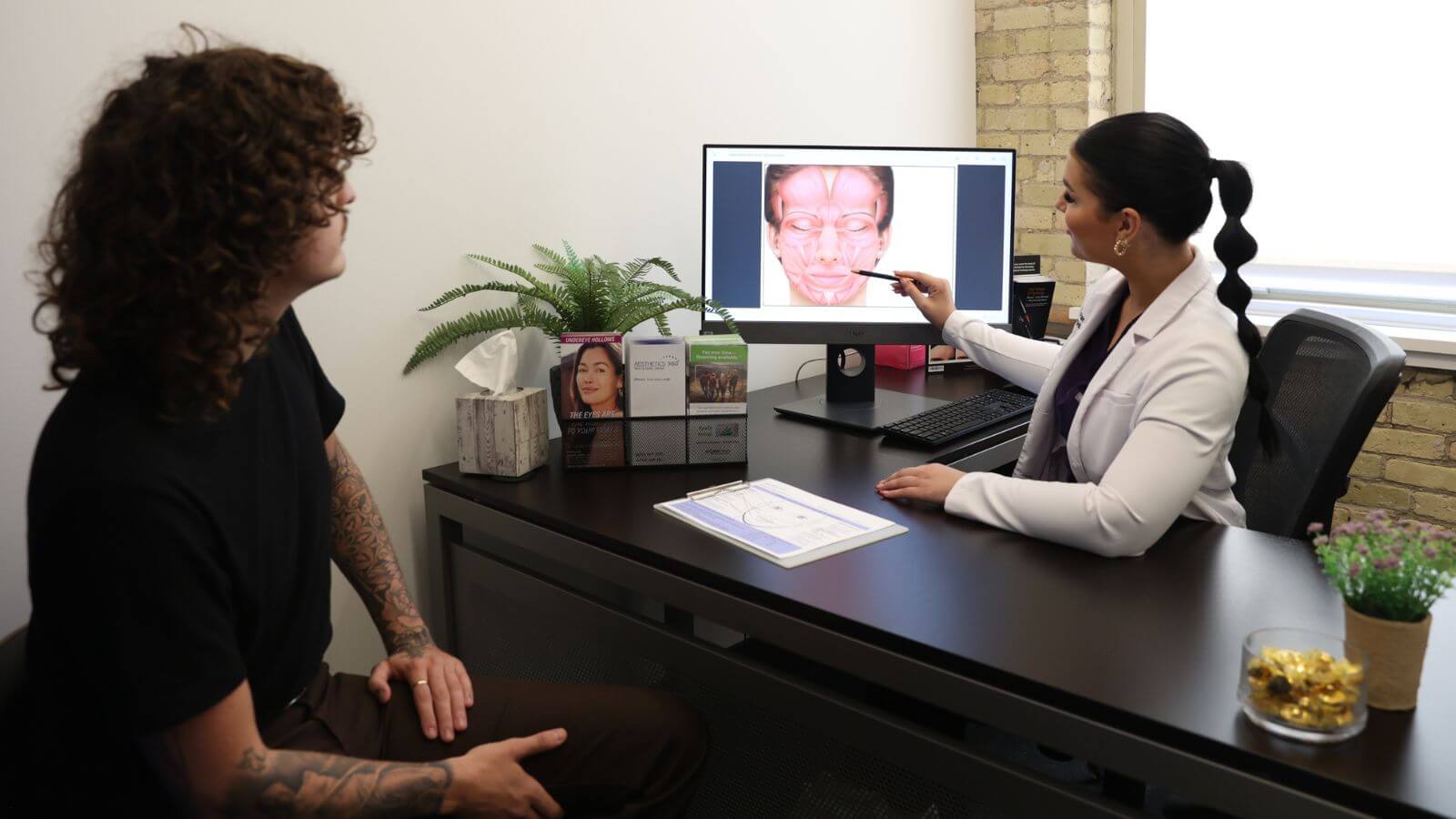
After your Botox treatment, your nurse specialist is going to give you post-care instructions—and it’s important that you follow them! These instructions are designed to ensure proper settling, minimize bruising or swelling, and optimize results!
The instructions will likely tell you:
- Stay upright for at least four hours after treatment
- Do not massage or rub the treated area
- If you need to apply makeup afterwards, use a gentle touch
- Avoid strenuous activities, exercise, or saunas for 24 hours
2. Avoid Excess Sun Exposure
You’re going to want to avoid excess sun exposure after getting Botox. While this is a good skincare tip to follow in general, it’s especially important due to the fact that heat and UV rays can break down your skin’s collagen and elastin, causing fine lines and wrinkles that counteract the effects of the Botox. The UV rays can also dilate your face’s blood vessels, which can cause Botox to break down quicker.
If you have to be outside for long periods of time, wear a broad-spectrum sunscreen (especially ones that contain titanium dioxide and zinc oxide, which help reflect light rays) and seek out shade whenever possible. Remember, even during the fall and winter months, the sun’s rays can still be harsh!
3. Be Consistent With Your Skincare Routine
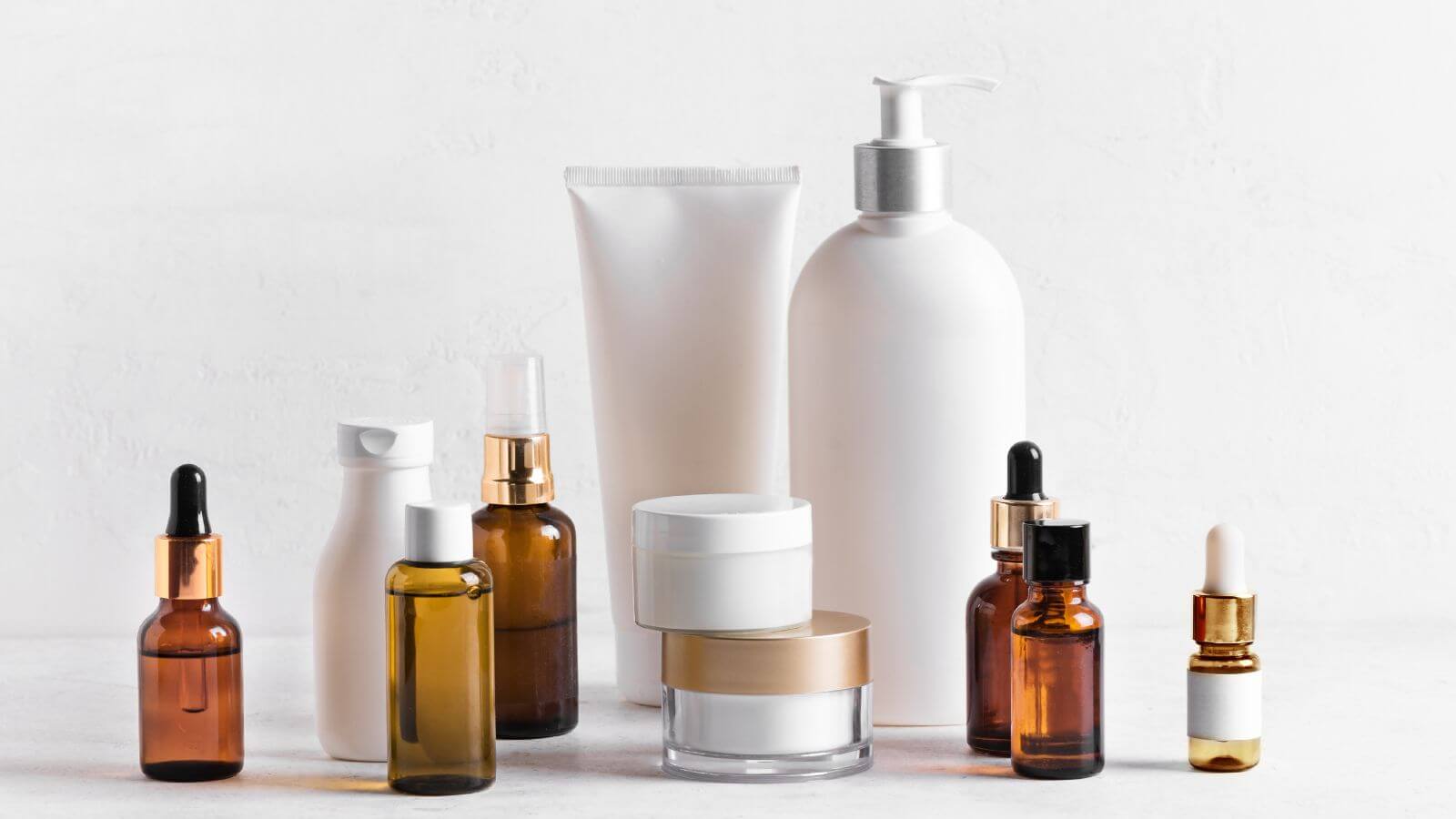
While your skin will always thank you for sticking to a consistent routine, high-quality skincare may actually make your Botox last longer! Specifically, a routine that promotes hydration and protects your skin may enhance the effects. ( Especially if you’re using medical-grade products!)
In the morning, we recommend:
- A gentle, hydrating cleanser
- Antioxidant serums, like vitamin C, to fight free radicals
- Glycolic acid for exfoliation (avoid abrasive scrubs)
- Moisturizers with hyaluronic acid to plump the skin
- Broad-spectrum SPF to prevent collagen breakdown from UV rays
At night, we recommend:
- A gentle, hydrating cleanser (you can use the same one you use in the morning)
- Niacinamide serum for strengthening the skin barrier
- Rich creams for locking in moisture overnight
4. Manage Your Stress
We know it’s easier said than done, but (whenever possible) try your best to manage any emotional or physical stress. High stress levels trigger the release of cortisol, a stress hormone that can cause inflammation, break down collagen, and accelerate the absorption of Botox.
Stress can also cause you to frown, squint, or clench your jaw—and this repetitive movement puts extra strain on the areas you’re specifically trying to treat. Some good stress-countering methods include yoga, meditation, spending time outdoors, or even just talking with friends, family, or a therapist.
5. Avoid Smoking or Vaping
Smoking and vaping isn’t just bad for your health—it can have a negative effect on your Botox in a few ways:
- Can cause “smoker’s lines”: When you smoke or vape, you wrinkle up the skin around your mouth, creating what’s known as perioral lines. This repetitive movement works against Botox’s muscle-relaxing effect.
- It constricts blood vessels: Smoking or vaping releases nicotine, which constricts the blood vessels. By constricting blood vessels, you’re also restricting the flow of oxygen and nutrients to the skin.
- The chemicals break down collagen: Cigarettes and vapes are chock-full of harmful chemicals that reduce collagen production and break down important skin proteins.
6. Schedule Maintenance Appointments (But Don’t Overdo It)
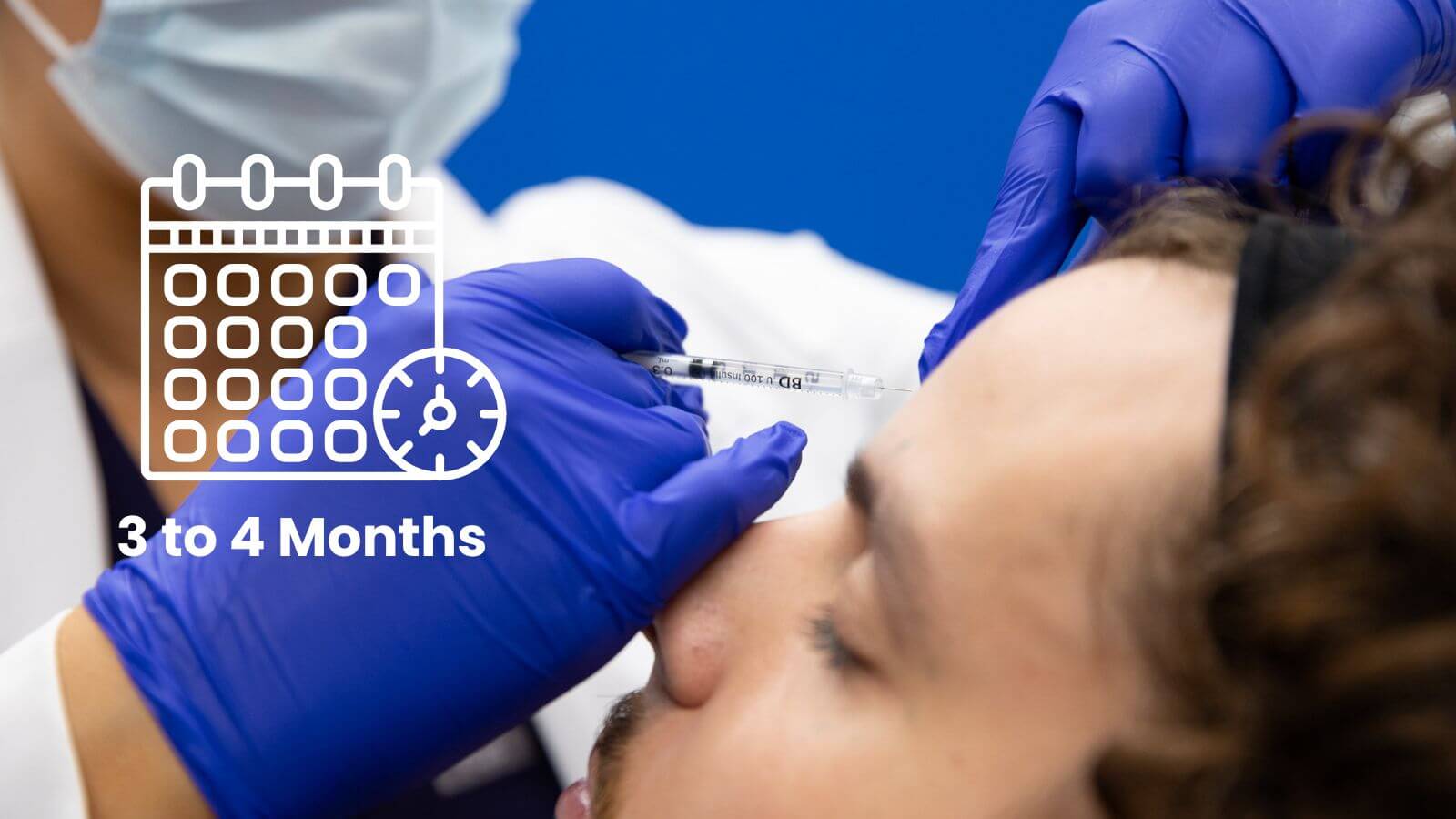
As mentioned, Botox isn’t permanent, and maintenance treatments will be needed every 3 to 4 months (although timing varies by patient) to sustain the results. By sticking with a regular maintenance schedule, you’re training your muscles to not move.
If you wait too long between appointments, your muscles will become re-accustomed to that movement and go back to creating fine lines and wrinkles. On the flip side,overdoingyour treatments can increase the risk of your body developing antibodies, which will then make your facial muscles resistant to the effects of Botox.
7. Take Zinc Supplements
Did you know that about 15% of adults 19 and over are zinc deficient? Zinc, which helps strengthen your immune system and reduce inflammation, is not just important to take for your health. Some studies have shown that regularly taking a zinc supplement after your Botox treatments may prolong its anti-aging effects by up to 30%!
However, supplements aren’t the only way to increase your zinc intake. You can introduce more zinc-rich foods into your diet, like shellfish, nuts, dark chocolate (yum), mushrooms, green beans, and veggies. (Your skin will also thank you because you’ll be eating less processed foods!)
Ready to Experience Long-Lasting & Effective Botox? Then Contact AESTHETICS 360°
Our skilled injectors have years of experience evaluating your facial anatomy, strategically placing Botox, and choosing dosage amounts that make your treatment as long-lasting and effective as possible, with natural-looking results.
Schedule a free consultation with one of our experienced aesthetic nurse specialists, or fill out our virtual assessment today. It’s time to experience the 360-degree difference!