Unfortunately, it’s not always “home sweet home”—especially when your home is harming your skin! If you’re dealing with pesky breakouts, dryness, or irritation, especially after spending more time indoors, then there may be hidden and unknown irritants in your home causing it. Read on to learn what exactly might be triggering stubborn acne or premature aging, and how you can fix it.
5 Things in Your Home That Are Harming Your Skin
1. Blue Light

Are you spending endless hours staring at your phone, laptop, or tablet? Well, that blue light being emitted is a silent but very real threat to the health of your skin. Like UV rays, research has found that blue light penetrates deep into the skin’s dermis, resulting in premature signs of aging, such as:
- Hyperpigmentation
- Loss of elasticity
- Wrinkling
- Inflammation
Luckily, research suggests the effect of blue light on skin is likely cumulative—which means you won’t spend eight hours on Zoom calls today and notice new wrinkles tomorrow. However, over time, the effects of blue light can start to show.
How to combat this: Turn your phones or computers onto “night mode” to lower blue light emission. It might feel silly, but you’re also going to want to wear broad-spectrum sunscreen (like the SkinBetter Science SunBetter Sheer Sunscreen Stick) even when you’re inside. Look for sunscreens with titanium dioxide and zinc oxide, which help reflect light rays.
2. Dry Indoor Air
Did you know the air in your home can actually harm your skin, especially during the fall and winter months? Studies have shown dry indoor air can lead to rough, dry skin, as well as worsen symptoms of skin conditions like eczema, dermatitis, and psoriasis.
But wait, there’s more: Air that’s too dry can also decrease your skin’s elasticity and weaken your skin’s barrier against environmental factors, like pollutants. As a result, when you come into contact with allergens or irritants, your skin may be more easily damaged. The outermost layer of your skin is its first line of defense—and in order for it to properly do its job, it needs to be sufficiently hydrated.
How to combat this: In addition to hydrating your skin with moisturizer, water, and hydration-rich foods, it might be time to invest in a humidifier. Humidifiers can help to counter indoor air’s drying effect by increasing moisture in the air to help avoid discomfort and retain your skin’s glow.
3. Pillowcases & Sheets
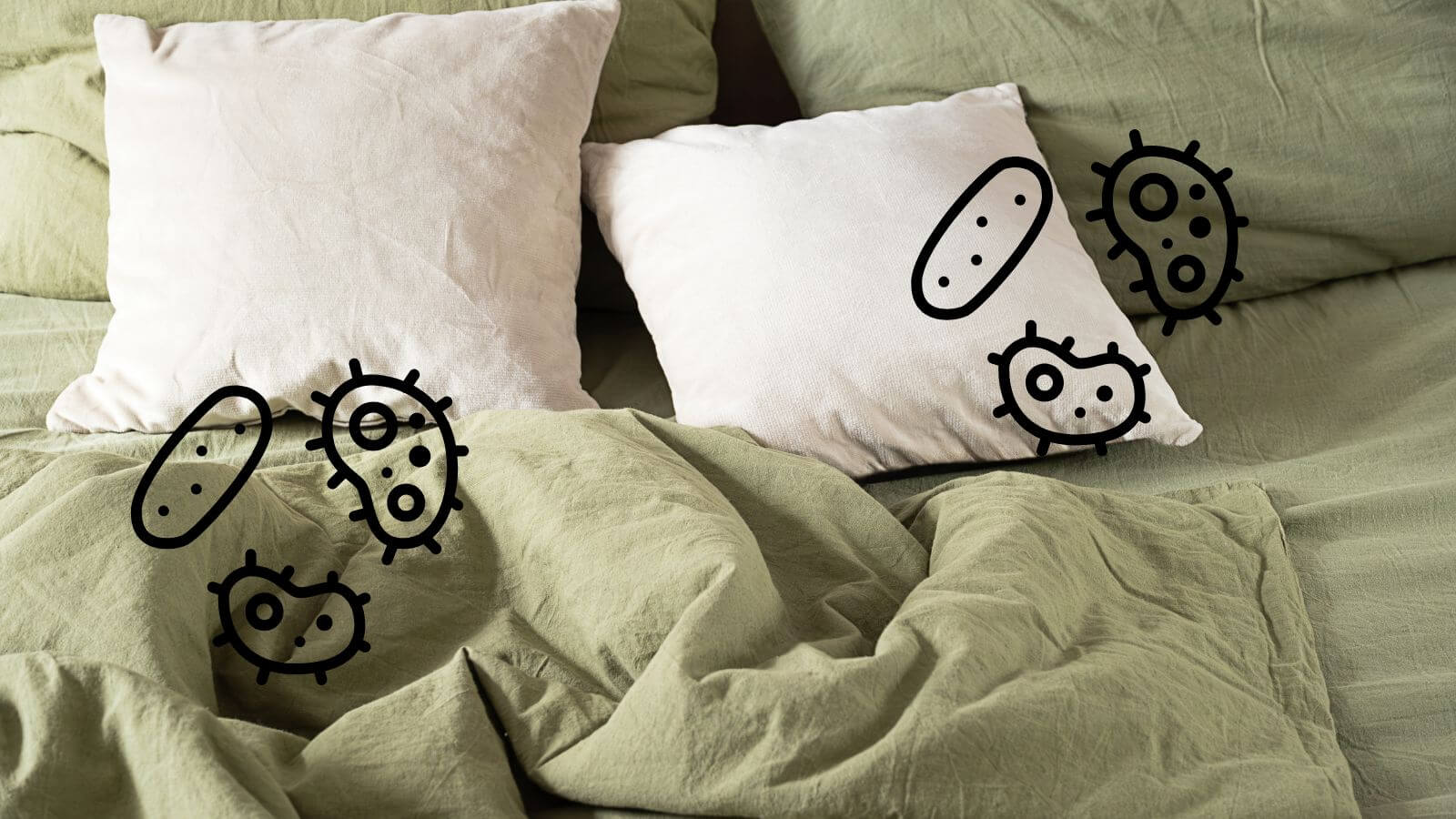
Have you noticed your acne start to flare up after sleeping in or having an afternoon cat nap? While sleep is good for combating skin conditions, you may unknowingly be exposing your skin to extra oil through your pillowcases and sheets.
You use your pillowcases and sheets every day, which means the fibers naturally accumulate bacteria, sweat, and dirt. Your skin then comes in contact with this pore-clogging debris, which then causes breakouts. If your sheets or pillowcases are made of rough material, this friction can further inflame your skin.
How to combat this: Try switching to silk pillowcases (which is also a bonus for your hair!) and make sure you are washing your bedding at least once a week. It’s also important to wash your face and remove any makeup or hair products before going to sleep, so they don’t transfer to your bedding.
4. Hard Water
You’ve probably heard the term “hard water” when people talk about their showerhead or faucet. But “hard water” is just water that contains high concentrations of dissolved minerals—mostly iron, magnesium, and calcium. (If you see chalky mineral buildup around fixtures, or notice a film on your skin after washing, you likely have hard water. In fact, about 85% of households do!)
When hard water comes in contact with your face while you’re washing up, it leaves behind a residue that clogs your pores, trapping dirt or oil that eventually causes acne. Hard water also raises your skin’s natural pH levels (which tend to be between 4.7 and 5.75, while hard water is between 7.5 and 8.5), making it more prone to irritation.
How to combat this: If you rent your home, consider using a detachable shower water softener—they attach to the head of your shower and reduce the amount of minerals (and are also available for sink faucets). If you own your home, consider installing a water softener system for your water supply.
5. Detergents & Fabric Softeners
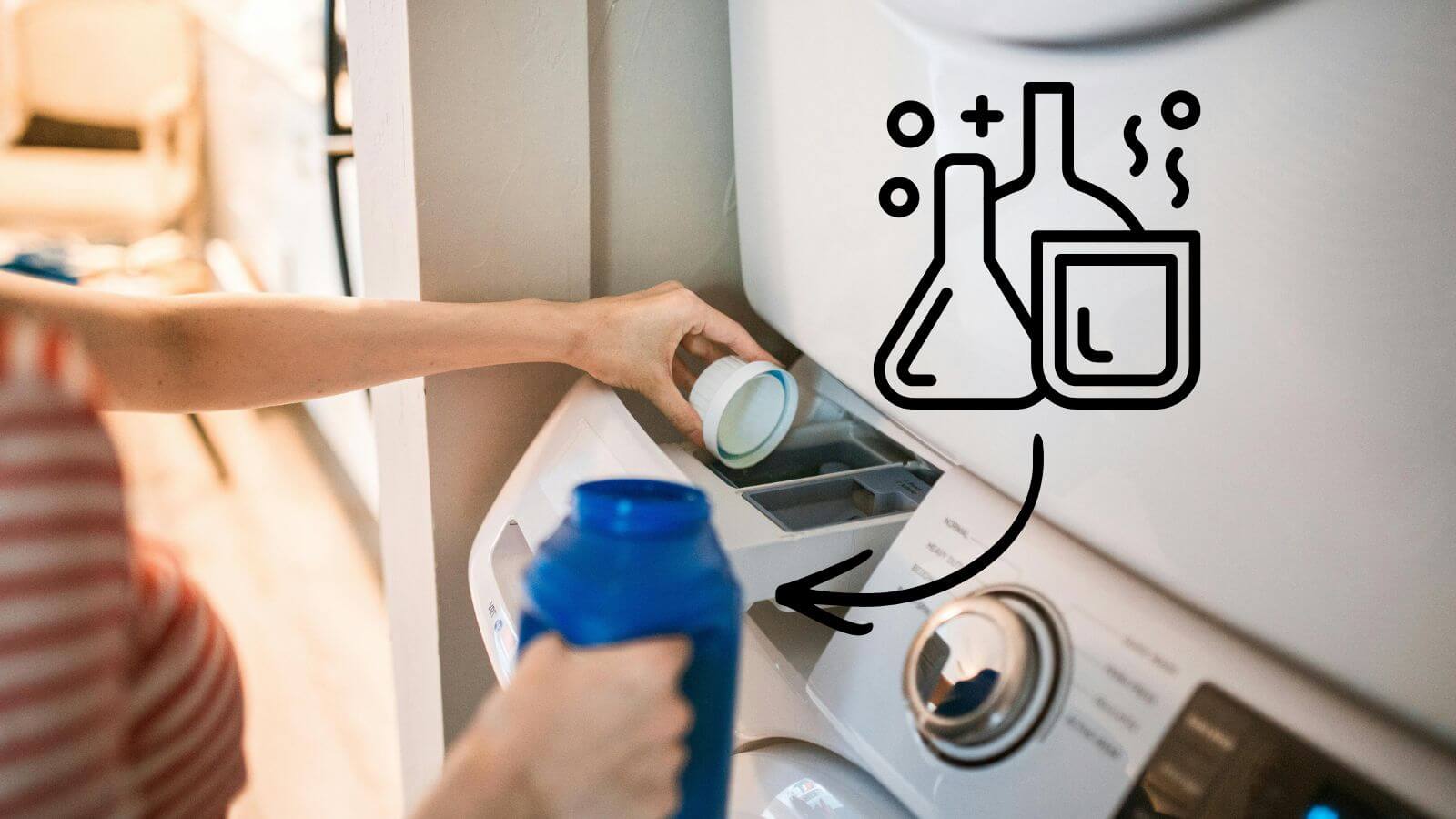
Who doesn’t like a great-smelling detergent or fabric softener? Unfortunately, those honey-blossom scented soaps that you add to your laundry may be the reason your skin is breaking out. That’s because detergents and fabric softeners are loaded with harsh fragrances, dyes, sulfates, and chemicals—all of which can wreak havoc on sensitive skin.
How to combat this: When choosing detergents, stick with natural or gentle formulas that don’t contain any added fragrances. And consider just skipping the fabric softener and giving your clothes a splash of distilled vinegar instead. It removes buildup just like traditional fabric softener!
Still Struggling with Breakouts? Visit AESTHETICS 360°
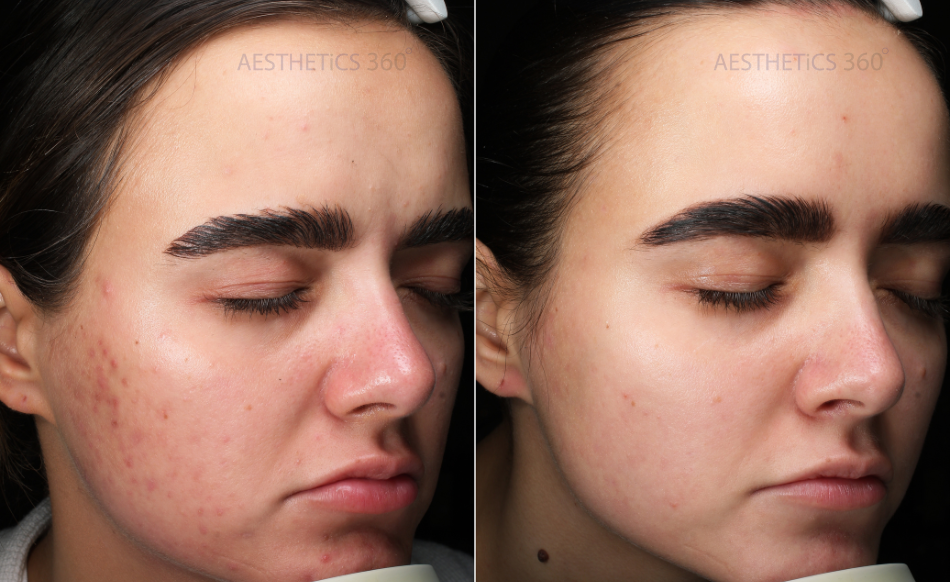
Are you still struggling with acne or unwanted skin conditions, even after fixing skin irritants around your home? Then schedule a free consultation with one of AESTHETICS 360°’s skincare specialists. Sometimes, concerns with your skin require the help of medical-grade products or treatments. That’s where we’ll come in and create a customized plan that will have you on the path towards healthier, more radiant skin.